Photo courtesy of the USDA
Fight disinformation: Sign up for the free Mother Jones Daily newsletter and follow the news that matters.
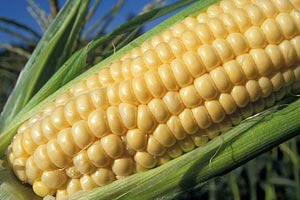
Eating all your vegetables was a lot better for you in the ’50s. Store-bought veggies weren’t as pretty back then, but according to USDA data, they were packed with a lot more nutrients than their modern counterparts. The likely reason for the nutritional drop is that hybrid crops are often bred for size and color, not nutrients. Below, the stats for a few crops that have gone to seed.
 |
{ |
Iron |
-27% |
WHY? Greater “head density” might mean fewer nutrients. |
|
Calcium |
-60% |
|||
|
Vitamin A |
-52% |
|||
 |
{ |
Iron |
-29% |
WHY? Pretty tomatoes taste worse—taste comes from nutrients. |
|
Calcium |
-58% |
|||
|
Vitamin A |
-46% |
|||
 |
{ |
Iron |
-40% |
WHY? Extra vitamin A may come from amped-up orange color. |
|
Calcium |
-37% |
|||
|
Vitamin A |
+127% |
|||